

The Connection Between Oral Health and Whole-Body Wellness in Seniors
October 29, 2026 | General, Health & Wellness, Resources

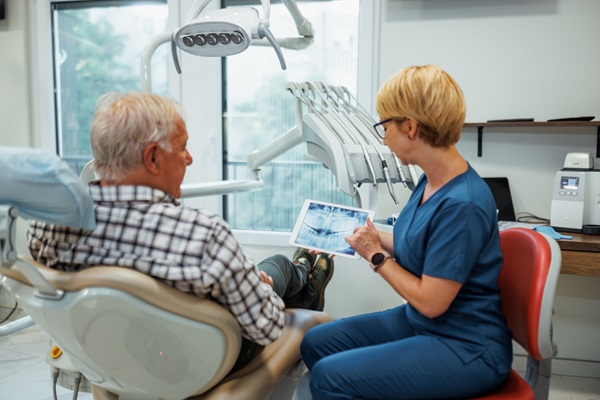
When we think of whole-body wellness, oral health is often overlooked. For seniors, however, neglecting oral health can carry real health consequences. According to the American Heart Association, the mouth can offer important clues about what’s happening throughout the body, and changes in oral health may be the first signs of an underlying issue.
Oral health as a window into chronic disease
A dental professional can detect early signs of diabetes, cardiovascular disease, and nutritional deficiencies. Sometimes symptoms appear in the mouth before somewhere else in the body. According to the National Library of Medicine, poor oral health in older adults is associated with increased risk of chronic conditions:
- Gum disease has been linked to heart disease and stroke.
- Oral bacteria can travel to other parts of the body and affect overall health.
- Bleeding gums and tooth sensitivity can mean other health issues.
For older adults already managing chronic conditions, oral health is part of the same clinical picture. Being proactive and consistent puts you in control of your whole-body wellness.
Common oral health problems in seniors
Oral health becomes harder to maintain with age. The National Library of Medicine notes that periodontal disease affects approximately 70% of adults aged 65 and older. There are some primary concerns that seniors should be aware of:
Dry mouth, clinically known as xerostomia, is a common side effect of prescribed medications and can leave the mouth more vulnerable to bacteria.
Receding gums expose parts of the tooth that are more vulnerable to decay and can make oral hygiene harder to maintain.
Tooth loss can affect nutrition, speech, and overall quality of life.
Simple habits that support a healthier mouth
According to the American Dental Association, daily habits combined with professional care give older adults the best chance at a healthy mouth:
- Brush your teeth twice a day.
- Make flossing part of your daily routine.
- Consider rinsing dentures after each meal.
- Limit snacking and sugary drinks.
- Keep up with dental appointments, even for those with dentures.
- Watch for changes and make sure to share with your dental provider at the next visit.
Oral health is part of the bigger picture
Being courteous to your oral health means focusing on whole-body health. Sometimes the simplest routines lend themselves to a healthier mouth. As you begin setting up annual checkups for the new year, make dental care part of your plan.
With information from American Dental Association, National Library of Medicine, Mouth Healthy, and U.S. Dept of Health and Human Services: Office of Disease Prevention and Health Promotion
[Educational Reading only]
https://www.ada.org/resources/ada-library/oral-health-topics/aging-and-dental-health
https://jada.ada.org/article/S0002-8177(22)00360-9/fulltext
https://www.ada.org/resources/ada-library/oral-health-topics/diabetes