

5 Ways Occupational Therapy Rebuilds Independence
April 30, 2026 | General, Health & Wellness, Kline Galland Home
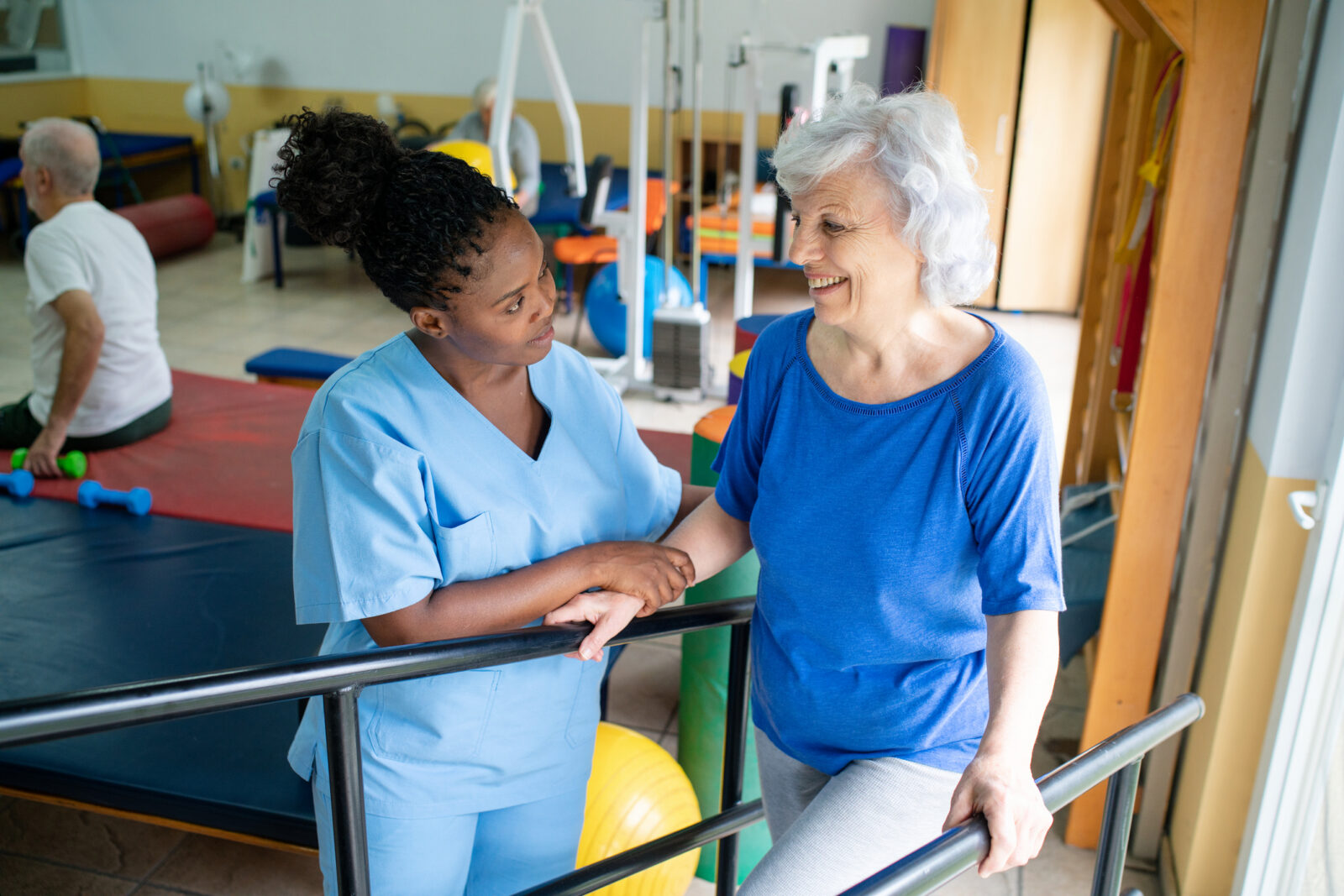
April is National Occupational Therapy Month. As part of the rehabilitation team at Kline Galland, Occupational Therapy (OT) helps bridge clinical recovery and real-world living by focusing on the “occupations” of daily life.
For families helping a loved one transition home after a hospitalization, understanding the role of an OT is the first step toward long-term success. Here are five ways our OT team and facilities provide the resources and education needed for a purposeful transition.
1. Identifying what matters most
Every recovery journey is personal. Our OTs start by asking one simple question: “What do you want to get back to doing?” For some, it’s the ability to make a morning cup of coffee; for others, it’s the ability to spend time in the garden. By focusing on these specific, real-life goals, we make sure every therapy session feels purposeful and moves your loved one closer to the life they enjoy.
2. Rehearsing real life and building confidence
Our newly renovated Life Skills Lab gives residents a safe, supervised place to practice real-life tasks. Here, they can work through everyday routines (“occupations”) and get comfortable doing the things they’ll need to manage at home. This hands-on practice helps build the muscle memory and familiarity needed for a successful return home.
Just as important, it helps build safety confidence. Many seniors worry they won’t be able to manage once they leave a clinical setting. By practicing daily routines in the Life Skills Lab, that worry often turns into confidence—the feeling that they are ready to move safely through their own home again.
3. Preserving essential, everyday skills
Illness or injury can make the simplest tasks feel like major hurdles. Our team focuses on restoring fine motor skills and cognitive focus, and teaching how to adapt to changed abilities. From buttoning a shirt to safely managing a medication schedule, we ensure the “little things” don’t get in the way of a big recovery.
4. Bridging the gap across care settings
Progress shouldn’t stop at the clinic doors. Within the Kline Galland family of services, we work to make the journey from our Transitional Care Unit back to your front door feel like one smooth path. Through continuous care, family education, and a thoughtful review of the progress you’ve made, our team helps ensure you’re prepared for the unique layout and real-world demands of home.
Families are an important part of that bridge. Kline Galland occupational therapists are employed by our organization to provide guidance and practical tips to help families support loved ones without over-helping, so the progress made in therapy continues long after the patient has returned home.
5. Modifying the environment for safety
- Sometimes, the bridge to independence requires adjusting a patient’s environment Our OT team works with families to suggest tools or home layouts that support recovery. A “gold standard” tool, and a good starting point, is the CDC’s Check for Safety guide. While the guide is extensive, here are a few helpful tips: Floors and walkways: Keep objects off the floor and ensure paths are clear of furniture.
- Lighting: Place a lamp close to the bed where it is easy to reach and use nightlights for the path to the bathroom.
- Stairs and steps: Always keep objects off the stairs and ensure there is a light and switch at both the top and bottom.
- Kitchen safety: Keep things used often on lower shelves—ideally about waist high—to avoid the need for step stools.
- Bathroom support: Use non-slip rubber mats or self-stick strips on the floor of the tub or shower and install grab bars next to the toilet and inside the tub.
Moving with purpose
At the heart of occupational therapy is the belief that recovery is about more than healing. It is about reclaiming the habits and hobbies that make you who you are.
Whether you are a family member planning a transition or a senior looking to regain your confidence, our team of highly-skilled of Physical, Occupational, Speech-language, and Medical Nutrition Therapists is here to support you. Contact Kline Galland to schedule a tour of our Transitional Care Unit or to learn more about our family of services.