

Holding Space for Grief
August 22, 2025 | Benaroya Community Services, Events, Hospice
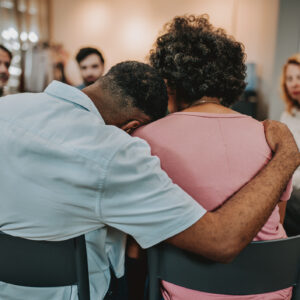

At Kline Galland, grief is something we understand deeply. In a community where love runs strong and bonds are built every day, loss touches us all – residents, families, caregivers, and staff alike. Nearly 60% of those bereaved feel pressure to recover and “get back to normal” within 3 months. But, we believe grief deserves space, compassion, and support. As we approach National Grief Awareness Day on Aug. 30 and our annual Hospice Memorial Service on Sept. 17, we invite you to pause and reflect, whether you are grieving yourself or standing beside someone who is.
Grief is personal—and that’s okay
Grief is a natural response to a deep sense of loss. More than one-third of people have mourned the death of a family member or close friend. But other losses, like the loss of a friendship (experienced by 29%) or facing a serious illness (31%), can also cause grief. Some common types of grief are:
- Anticipatory grief happens when a person is expecting a death or tragic event. They begin thinking about a life after that loss and future feelings.
- Sudden loss grief occurs with unexpected tragedy. In addition to being overwhelmed, individuals may not understand the full impact of the loss until later.
- Collective grief is a shared experience of mourning because of a significant event or tragedy that affects many. For example, living through the COVID-19 pandemic, witnessing 9/11, or surviving a natural disaster can create of sadness and a shared need for healing.
- Complicated grief simply means that the intense emotions for the loss are lasting a long time. Almost half of grievers report the most powerful feelings lessen after 6 months, and two-thirds recover within 1 year. About 7% of grievers experience complicated grief.
While many have heard about grief’s five stages (denial, anger, bargaining, depression, and acceptance), the truth is more complicated. Catherine Holder, staff psychologist at the University of Miami, explains that current understanding about grief has moved away from the idea of specific stages. “Grief responses are idiosyncratic and not as predictable as people once thought. Current conceptualizations of grief place greater emphasis on honoring individual, family, and community responses…”
So, what does grief really look like? It can arrive suddenly or slowly. It can come with tears or numbness, anger or peace, or all of the above. It can show up weeks or months or even years after a loss. There’s no “right” way to grieve – only your way. Some people find comfort in rituals, others in solitude or conversation. Honoring your personal process is a form of healing in itself. Here are five things to remember in the process:
- You are not alone. While the process is individual, the pain is universal. Helen Keller captured this sentiment perfectly: “We bereaved are not alone. We belong to the largest company in all the world – the company of those who have known suffering.”
- Your grief is valid. Whether it’s been days or decades, there is no timeline and no rulebook. If you find yourself unable to do everyday tasks, professional help may be useful.
- Connection helps. Talking with others who understand whether in a support group, a religious or cultural community, or over coffee with a friend, can provide comfort. Sometimes, just sharing a memory is healing.
- Grief affects your body and mind. It’s common to feel tired, foggy, anxious, or physically unwell. Try to rest, eat nourishing food, move your body, and seek help when needed. Ignoring it won’t make it go away.
- Help is available. You don’t have to carry it all alone. Call, text, or chat 9-8-8 over a cell phone, land line, or voice-over internet device to connect with a trained counselor or you can also go online to 988lifeline.org. Services are available in Spanish.
A community of compassion
Kline Galland’s Benaroya Services Hospice Care extends our mission of exceptional care beyond the bedside, offering bereavement support for a full year and beyond to families and loved ones. We offer free monthly grief support groups and personalized bereavement services. Our team includes dedicated staff who walk alongside the bereaved including one-on-one check-ins, and meaningful remembrance events.
Our Hospice Memorial Service, which will be held this year on Sept. 17, is a time to gather, reflect, and honor those we’ve lost, together. If you would like to receive an invitation to our 2025 service, please contact D’Anna M. Edison, Bereavement Manager & Hospice Counselor, at DannaE@KlineGalland.org
Grief is a journey, not a destination; no one should have to walk it alone. At Kline Galland, we are here to hold space for your sorrow, your stories, and your healing. If you or someone you love could benefit from our bereavement support services, we’re here to help. Always.
###
Sources: University of Miami; WebMD; CaringInfo; NHCHC; Cleveland Clinic; HelpGuide.org; MentalhealthHotline.org