

Returning Home with Confidence After Rehabilitation Therapy
July 31, 2026 | Assisted Living, Health & Wellness, Kline Galland Home, Mary Schwartz Summit, Resources
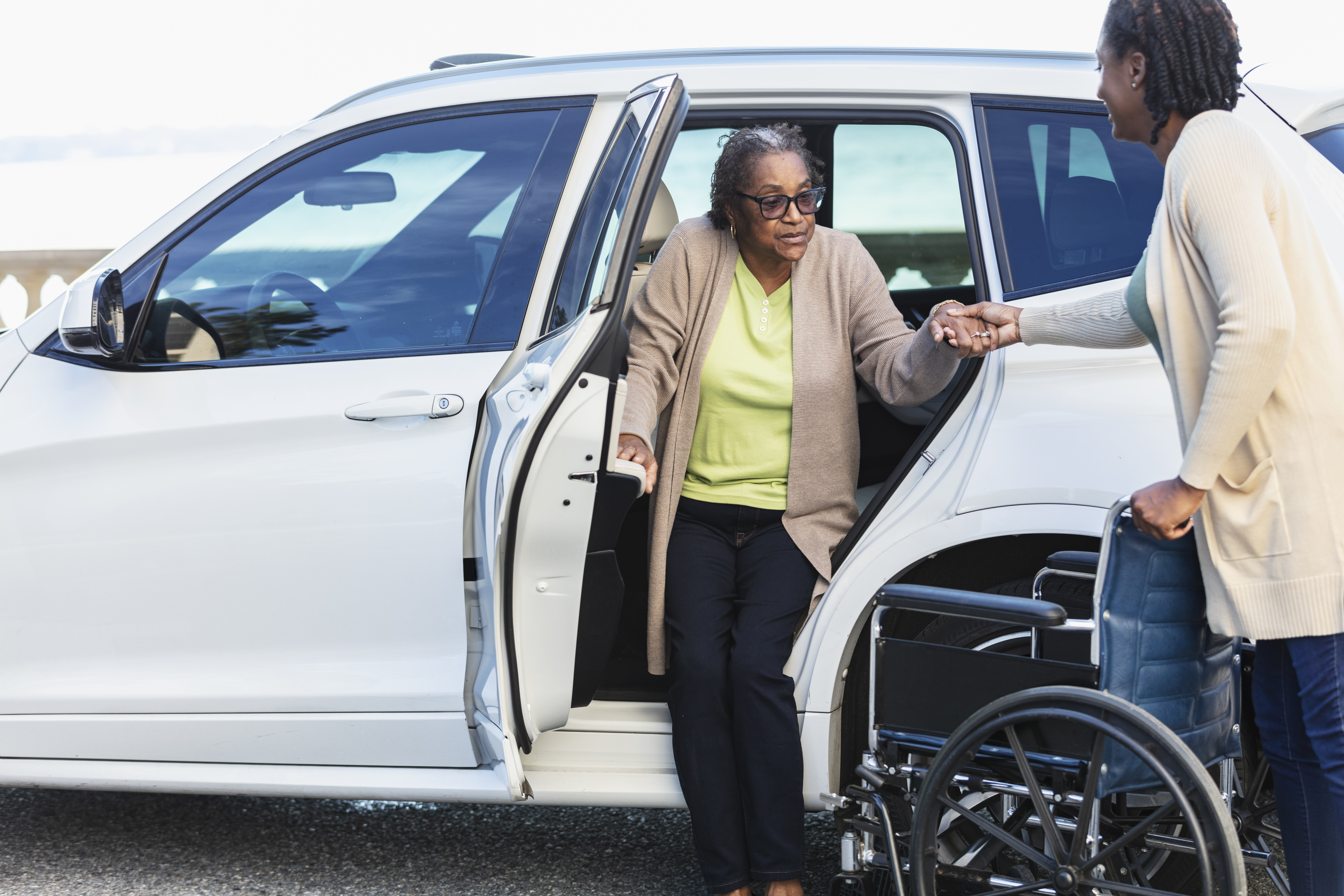
Discharge from rehabilitation, whether it’s occupational, physical, medical nutrition, or speech, is a milestone. The structured work of recovery is behind you but returning home– or just back to daily life– opens a new chapter that requires just as much intention as the rehabilitation itself.
Quality of life after discharge doesn’t happen by accident. It is built through intentional care that empowers long-term success.
Keep moving—your body is still healing
One of the most common mistakes after discharge is stopping the exercises prescribed during rehabilitation. This is understandable. The structure is gone, motivation fluctuates, and daily life gets in the way.
The World Health Organization highlights that the gains made during rehabilitation are only maintained with reinforcement. Muscles, balance, and functional strength continue to develop in the weeks and months following discharge. Stopping too soon can reverse progress that took significant effort to achieve.
Continuing a home exercise program, even in a modified form, is one of the most direct ways to protect and build on what was accomplished in rehabilitation. If the program feels unmanageable at home, that is worth discussing with a care team rather than abandoning it altogether.
“We see people get weaker when they stop their prescribed exercises. It’s important to continue exercises so they can keep doing what they love to do.” -Liv Guziekjo Kline Galland OTR/L
Routine and environment matter
Recovery happens within the context of daily life. And daily life is shaped by environment and routine.
Home environment is the physical space where recovery continues after discharge. Small modifications made before or shortly after leaving can have a significant impact on outcomes. These adjustments may include:
- Installing grab bars in the bathroom
- Removing loose rugs and tripping hazards
- Rearranging furniture to create clear pathways
- Ensuring good lighting throughout the living space
Daily routine is the structure that keeps recovery on track. Patients who build rehabilitation exercises and goals into a consistent daily schedule tend to maintain progress more effectively than those who approach recovery without structure.
Social connection is part of recovery.
Physical healing is only one dimension of recovery. Emotional and social well-being play a significant role in how well and how quickly people regain quality of life after discharge.
Connection shows up in small ways. Consider:
- A phone call with a friend or family member
- A shared meal at home or in the community
- A short outing when energy allows
- Participation in a community program or support group
Follow-up support is not optional
Recovery benefits from consistent monitoring. Subtle changes in strength, balance, cognition, or mood are easier to address when a care team is paying attention.
Follow-up support might look like:
- Outpatient therapy to continue building strength and function
- Home health visits that bring professional care into a familiar setting
- Regular check–ins with a physician or care coordinator
- Skilled nursing support for those who need a higher level of ongoing care
At Kline Galland, our Family of Services is designed to meet each person’s unique needs, throughout their recovery journey. Rehabilitation patients who transition home and need continued support can seamlessly access Kline Galland Home Health services to continue healing and building strength in the comfort of their own home.
Families play a critical role too. They are often the first to notice when something has shifted. Staying engaged, asking questions, and asking for additional support when needed is one of the most valuable contributions a care advocate can make.
Progress is not always visible
Recovery after discharge is rarely linear. Some weeks, it may feel like a patient is making clear progress. Others, it might feel like standing still. These fluctuations are normal and expected, not a sign that something has gone wrong.
Patients and families who understand this tend to stay more consistent through the more difficult stretches. They seek help when needed, adjust expectations without losing momentum, and recognize progress when it happens, even when it is gradual.
Discharge is the beginning of a new phase. What happens in that phase shapes long term quality of life that extends well beyond the rehabilitation program itself.
Click here for more information about rehabilitation at Kline Galland’s Karen and Gary Schwartz Center for Post Acute Care and to get in touch with our expert care team.
Disclaimer: This blog is intended to support patients and care partners in understanding the rehabilitation discharge process. It is not a substitute for the guidance of your clinical care team. Always consult your rehabilitation therapist, physician, or care coordinator for advice specific to your situation and recovery.
Sources: World Health Organization